Water
7 uses- POU/POE
- Groundwater remediation
- Wastewater treatment
- Process water treatment
- Municipal water treatment
- Aquarium water treatment
- Dialysis
Activated carbon, activated charcoal and related product applications.
Water
Air
Food
Chemical
Miscellaneous
Gold Mine Application
CL 55 CARBURE GOLD CARBON
Activated Carbon For Gold Recovery exhibits a highly developed pore structure to give optimum adsorption while maintaining high product hardness. This contributes to a high gold loading capacity and consistency recovery of properties following regeneration. As a result, make-up requirements are minimized, reducing the cost of operation.
Introduction
Activated carbon can be made from a wide range of source materials such as coal, coconut shells and wood. The material is often charred to achieve carbon, followed by chemical activation or activation by high temperature steam. This produces an activated carbon with an extensive network of pores and an extremely high surface area (typical range is 300 to 2000 m2/g). The pores provide sites for the adsorption of chemical contaminants in gases or liquids. As leading Powdered Activated Carbon Manufacturers , we deliver high-performance solutions for industrial and global applications. For advanced purification solutions, explore Activated Carbon in Water Treatment designed for high-efficiency water purification and industrial applications. We also provide high-performance Powder Activated Carbon Water Treatment solutions engineered for rapid adsorption, industrial filtration, and wastewater purification systems. Looking for premium supply? Connect with Activated Carbon Powder Manufacturers for reliable and high-quality industrial solutions.
Activation
Material such as wood, coconut shells or coal used for Activated Carbon Pellets and Acid Activated Carbon that is activated by steam is first carbonised to create charcoal. The carbonisation is performed at a temperature at approximately 550 degC in an oxygen free atmosphere. This process drives off all of the volatile organic compounds and leaves behind the carbon and the minerals (ash). As a trusted Activated Carbon Exporter India , Carbure Activated Carbon manufactures high-quality Activated Carbon solutions for global industrial purification applications.
Steam Activation
The steam activation of the charcoal is then carried out at an even higher temperature, up to 1000°C, in a steam atmosphere. The activation reaction between charcoal and steam can be described as follows:
C + H2O => CO + H2
2 CO
This process is important in producing Granular Activated Carbon with specific adsorption characteristics. The activation process can be controlled to produce specific product characteristics. Steam concentration, temperature, activation time, and CO2 concentration influence pore development, which in turn affects pore size distribution and the level of activity.
Impregnation
Impregnation is the process where activated carbon is treated with a chemical reagent that reacts with low molecular weight or polar gases such as chlorine, sulphur dioxide, formaldehyde, and ammonia, binding them up on the carbon and thereby removing them from an airstream. This process, commonly referred to as "chemisorption", may involve neutralisation or catalysis reactions.
The Impregnated Activated Carbon process must be carefully controlled to ensure correct loading levels and even distribution of reagent on the carbon, without restricting access to the reaction sites within the pores. Properties such as activity, moisture content, and particle size affect the performance of the adsorbent, and can be controlled to optimise filter efficiency and service life.
Applications
Gold Mine Application
Our gold recovery carbon has a well-developed pore structure for strong adsorption, and high hardness. This gives high gold loading, consistent performance after regeneration, and lower make-up requirements and operating costs.
Carbon Basics
Activated carbon can be made from coal, coconut shells or wood. The material is charred and then chemically or steam activated, producing a porous structure with a high surface area of roughly 300 to 2,000 m²/g. The pores adsorb contaminants from gases and liquids.
Steam-activated feedstocks (wood, coconut shell or coal) are first carbonized at about 550 °C in an oxygen-free atmosphere. This removes volatile compounds and leaves carbon and ash.
Charcoal is activated with steam at up to 1,000 °C.
Carbon is treated with a chemical reagent that binds low-molecular-weight or polar gases, such as chlorine, sulfur dioxide, formaldehyde and ammonia, through chemisorption, which may involve neutralization or catalysis.
Our Range
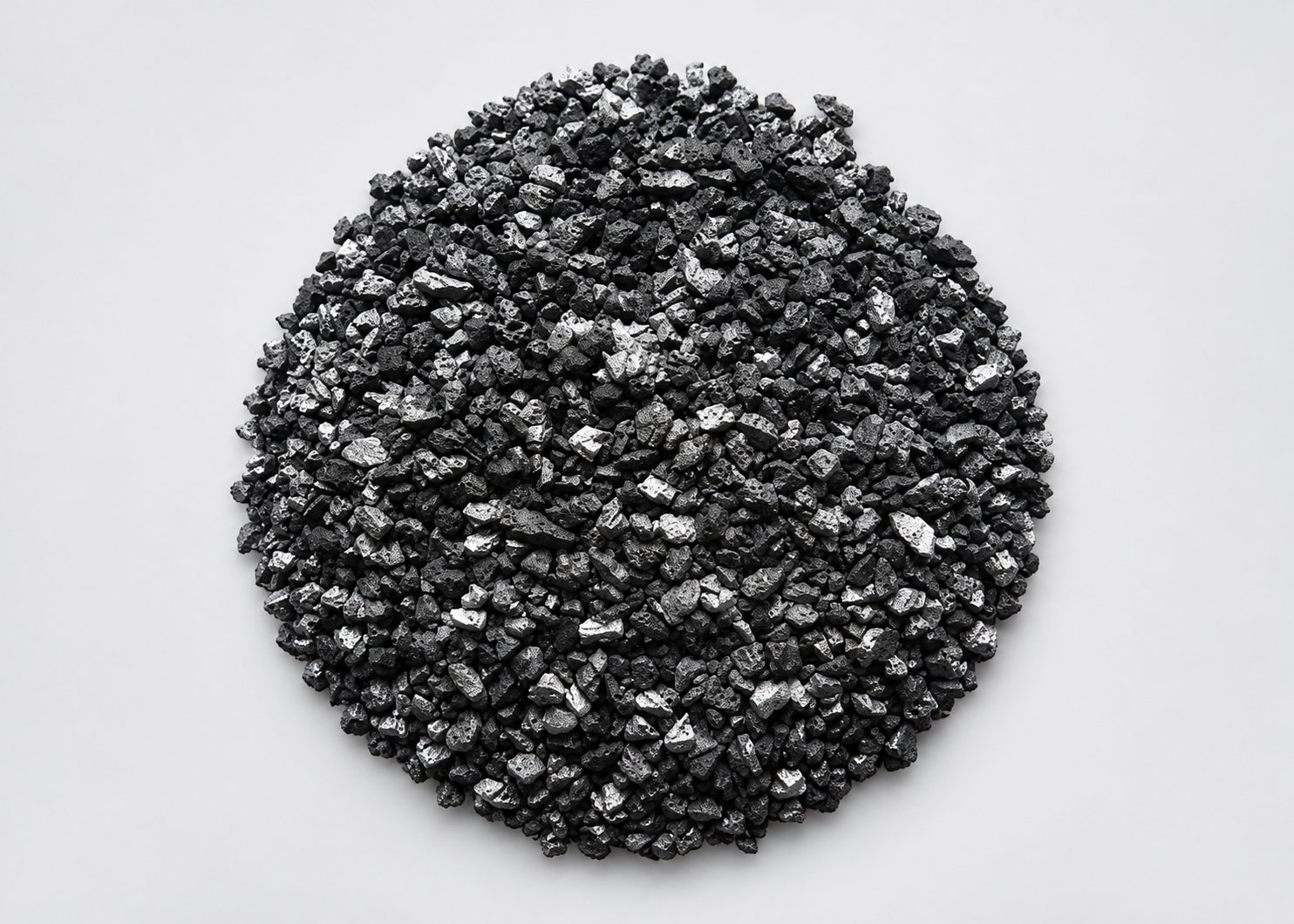 Acid Washed Activated CarbonPremium acid-washed activated carbon for the food, water, beverage and pharmaceutical industries worldwide.Explore
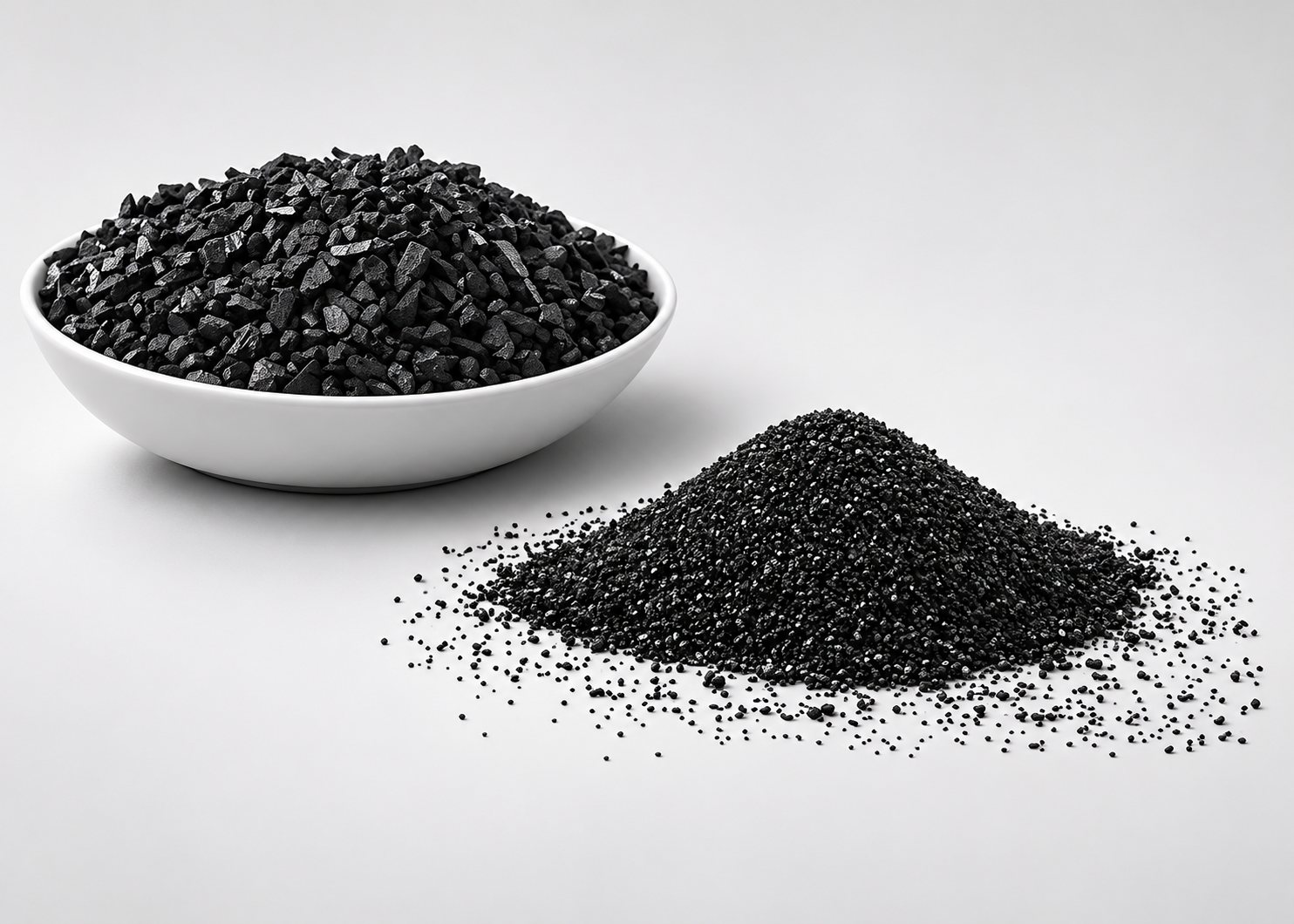 Granular Activated CarbonFor drinking water, wastewater, process water, effluent and sewage treatment, and reverse osmosis pre-treatment.Explore
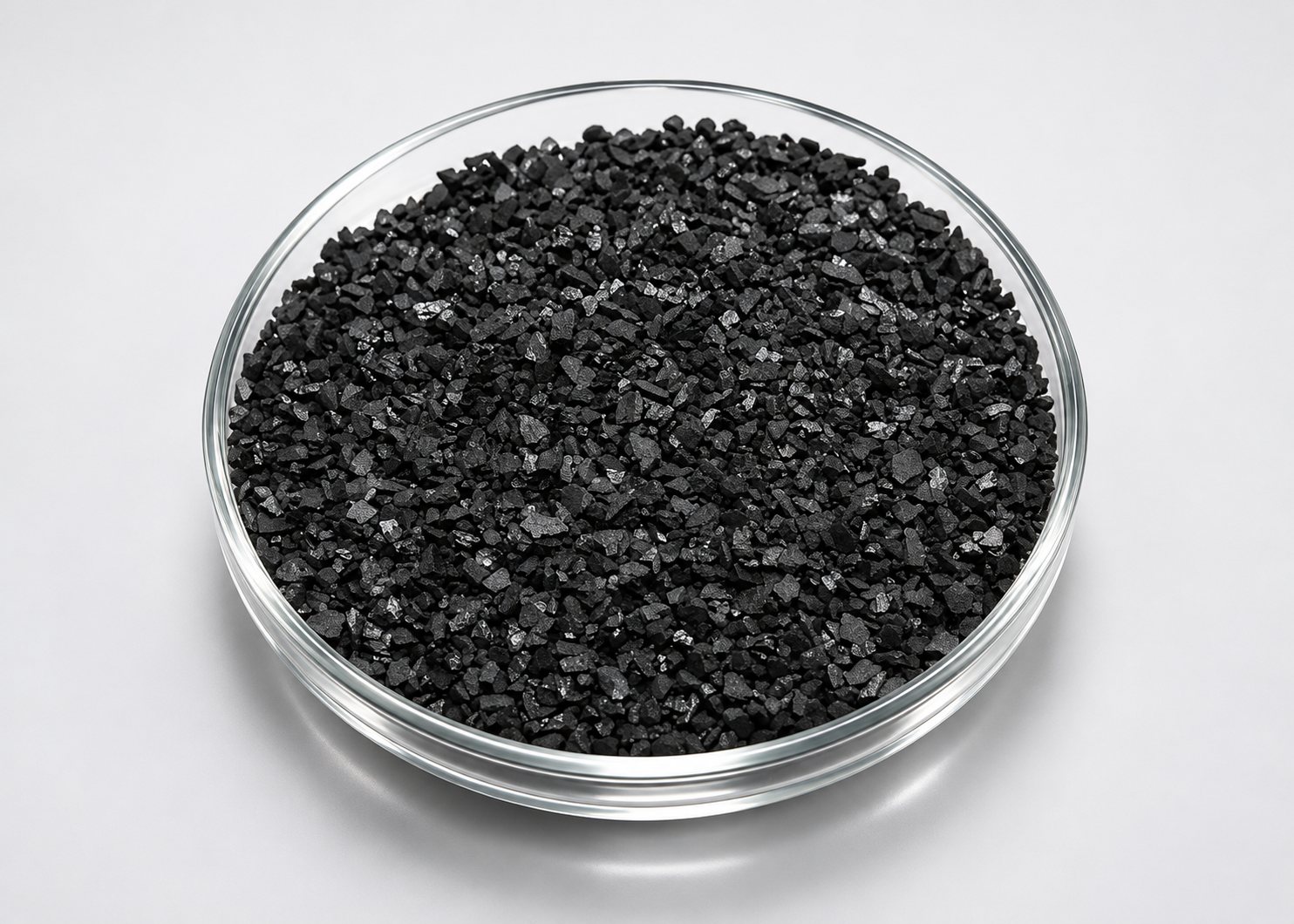 Impregnated CarbonMetal-impregnated activated carbon from one of India's leading exporters and manufacturers.Explore
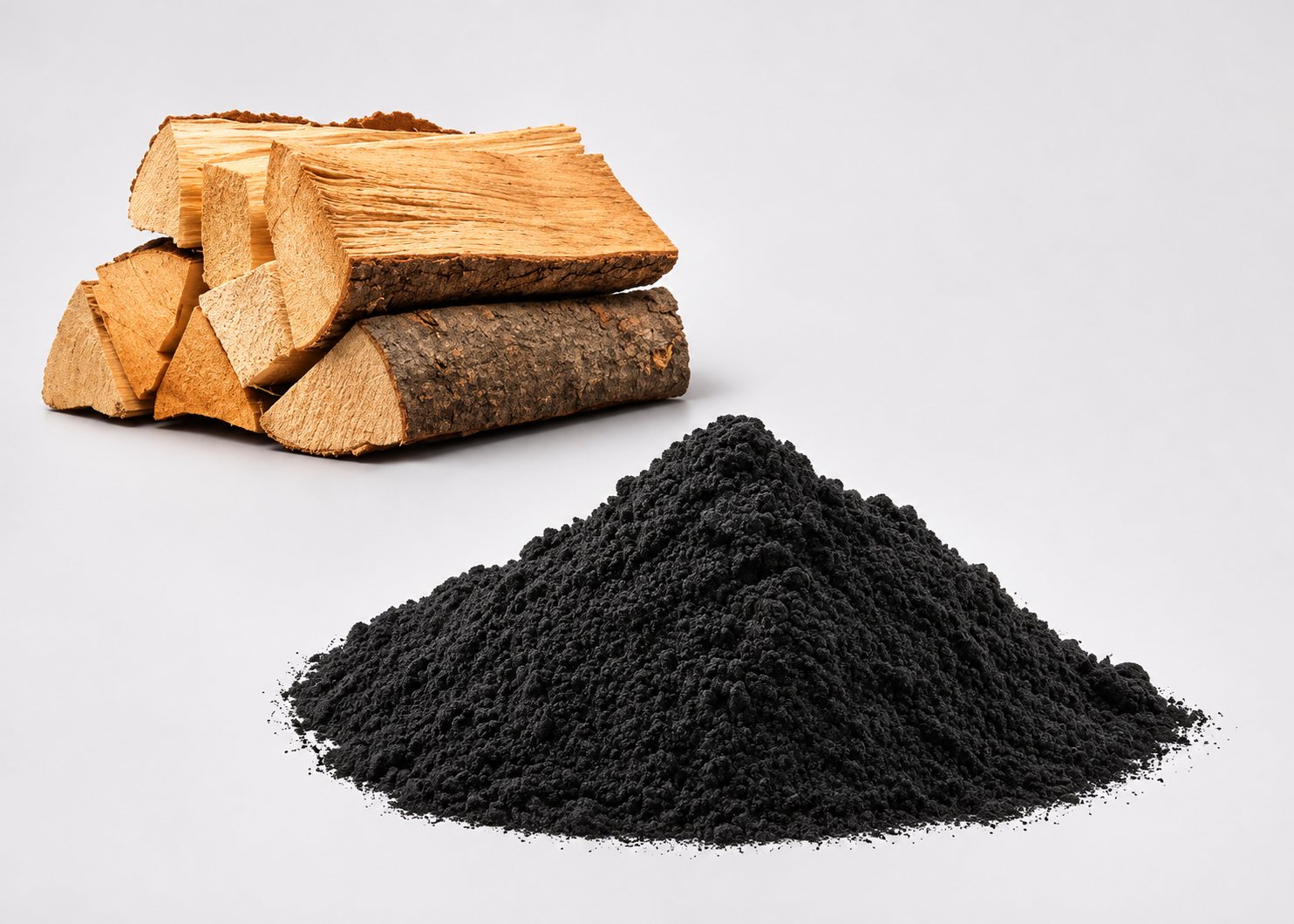 Wood Powder CarbonPowdered activated carbon made from selected grades of Babool wood.Explore
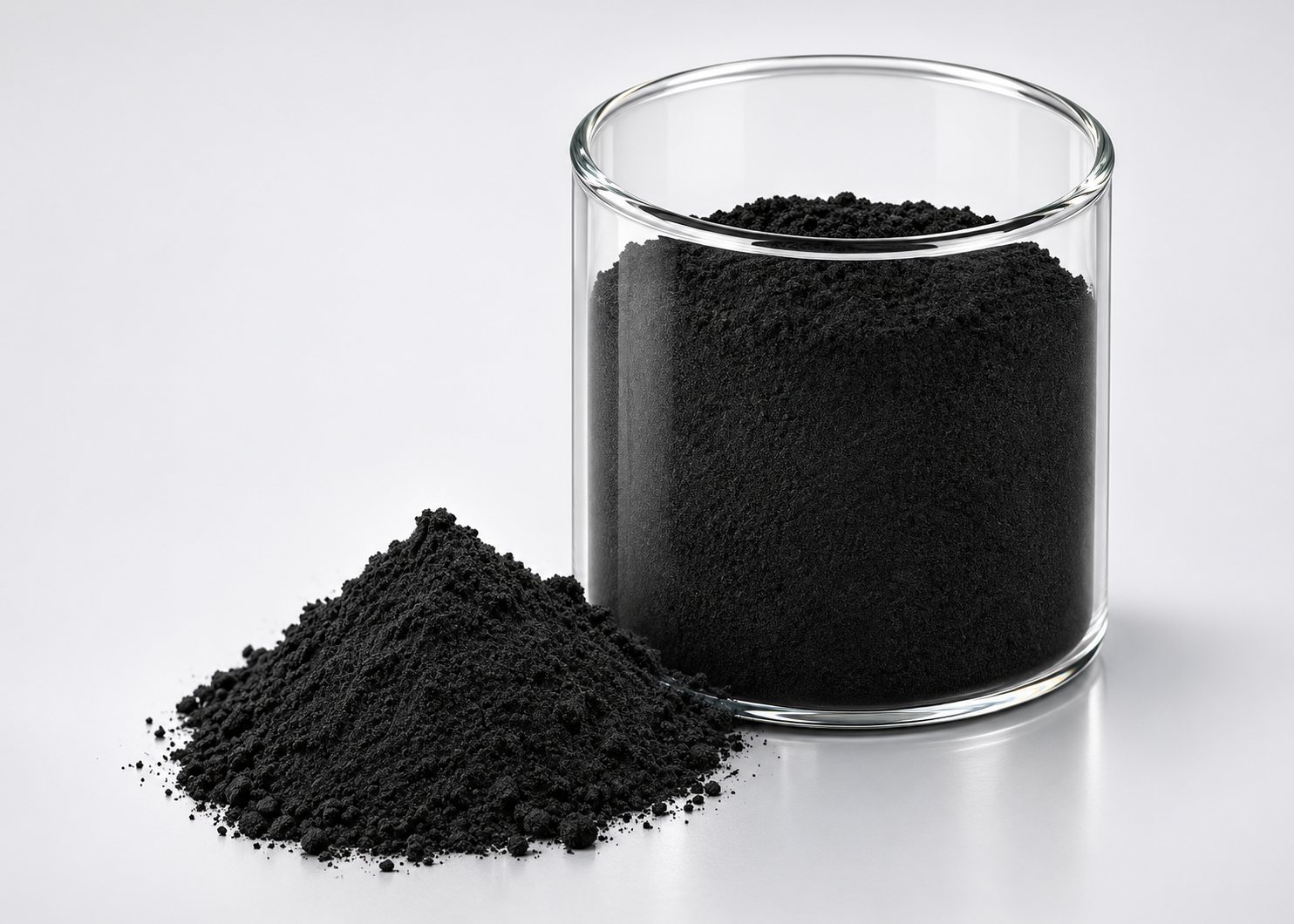 Coconut Powder CarbonPowder activated carbon made from premium coconut shell charcoal, from one of the leading manufacturers and suppliers in India.Explore